Steel and structural steel
Beams, frames, supports, plate, sheet, rebar and other structural components generated during projects.
Construction, fabrication, demolition and industrial facilities.Ask about steel ↗Hamilton, Ontario · Bulk scrap-metal buying, trading and export enquiries
Scrap Metal Purchasing · Hamilton, Ontario
DBS Recycling reviews ferrous and non-ferrous material from commercial suppliers, manufacturers, contractors, industrial facilities, recyclers, and trade partners. Tell us what you have and we will review the possible next step.
Acceptance, pricing, loading, delivery, and logistics depend on the material and the details of each enquiry.
Quick material finder
These categories organize the buying conversation; they are not guarantees of acceptance. If the grade or condition is unclear, send a description or photograph before discussing a bulk transaction.
Iron-based materials such as steel, machinery and structural pieces.
Examples: steel, beams, rebar and equipment.02Non-ferrous metalsMaterials that do not primarily contain iron and may require sorting or inspection.
Examples: copper, aluminium, brass and stainless steel.03CopperWire, pipe, fittings and other copper-bearing material for review.
Keep separate where practical; never burn coatings.04AluminiumSheet, extrusions, frames, wheels and mixed aluminium enquiries.
Coating, alloy, hardware and contamination may matter.05Brass and alloysFittings, valves, taps and other alloy components may be discussed.
Photographs help when the alloy is uncertain.06Wire and cableInsulated or uninsulated wire and cable enquiries can be reviewed.
Do not burn wire or open sealed electrical equipment.07Industrial and production materialManufacturing offcuts, surplus metal, machinery and facility material flows.
Include grade, volume, origin, timing and photographs.08Special itemsVehicles, appliances, batteries, tanks and fluid-containing equipment need prior confirmation.
Contact the team before delivery, shipment or export.Bulk materials we commonly review
DBS Recycling reviews commercial material offers by category, grade where known, condition, approximate volume, contamination, origin, and timing. The categories below show the kinds of bulk buying enquiries the team may discuss; they do not confirm that every item is accepted.
If a load is mixed, unusually large, attached to non-metal material, or difficult to identify, include photographs and contact the team before loading or moving it.
01 · Ferrous metals
We can review commercial and industrial ferrous material such as structural steel, beams, plate, sheet, rebar, machinery, equipment, automotive steel, demolition steel, and offcuts. Share the material type, condition, approximate quantity, location, and photos where useful.
Beams, frames, supports, plate, sheet, rebar and other structural components generated during projects.
Construction, fabrication, demolition and industrial facilities.Ask about steel ↗Metal machinery, equipment and components may be reviewed when the material, size and condition are clear.
Manufacturing, farms, workshops and facility clear-outs.Discuss equipment ↗Vehicle-related steel and recoverable demolition pieces may require preparation, access and documentation checks.
Auto businesses, contractors and demolition projects.Review a load ↗Loose sheet, offcuts and mixed iron-based material can be discussed with photographs and approximate quantities.
Renovations, maintenance, warehouses and project work.Send material details ↗02 · Non-ferrous metals
Non-ferrous material can vary significantly by type, cleanliness, form, attachments, alloy, and quantity. Keep different materials separate where practical and send photos when the grade or condition is unclear.
Copper wire, pipe, fittings, sheet and mixed copper-bearing materials may be submitted for review.
Common sources: Electrical, plumbing, HVAC, manufacturing and renovation work.Ask about this material ↗Sheet, extrusions, frames, doors, wheels, cast pieces and mixed aluminium may require sorting or inspection.
Common sources: Construction, property work, manufacturing and automotive sources.Ask about this material ↗Fittings, valves, taps, components and other alloys should be identified with photographs where possible.
Common sources: Plumbing, industrial, commercial and maintenance work.Ask about this material ↗Sheet, tubing, kitchen equipment and fabrication offcuts may be reviewed without publishing grade assumptions.
Common sources: Commercial kitchens, fabrication and industrial components.Ask about this material ↗Insulated or uninsulated wire and cable can be discussed, subject to safe handling and current policy.
Common sources: Electrical work, contractors, facilities and manufacturing.Ask about this material ↗Motors, radiators and similar items may contain recoverable metal but can include attachments or fluids.
Common sources: Industrial equipment, HVAC, automotive and building systems.Ask about this material ↗Copper and aluminium
Copper. Keep copper separate when possible and remove loose non-metal attachments only when safe. Do not burn insulation or coatings. Value may depend on cleanliness, insulation, alloy content, form, quantity and inspection.
Aluminium. Separate it where practical and flag paint, coatings, attached hardware, mixed materials or contamination. Do not dismantle pressurised or hazardous components.
When a material is mixed or uncertain, send photographs rather than guessing at a grade or category.
Industrial, commercial and project scrap
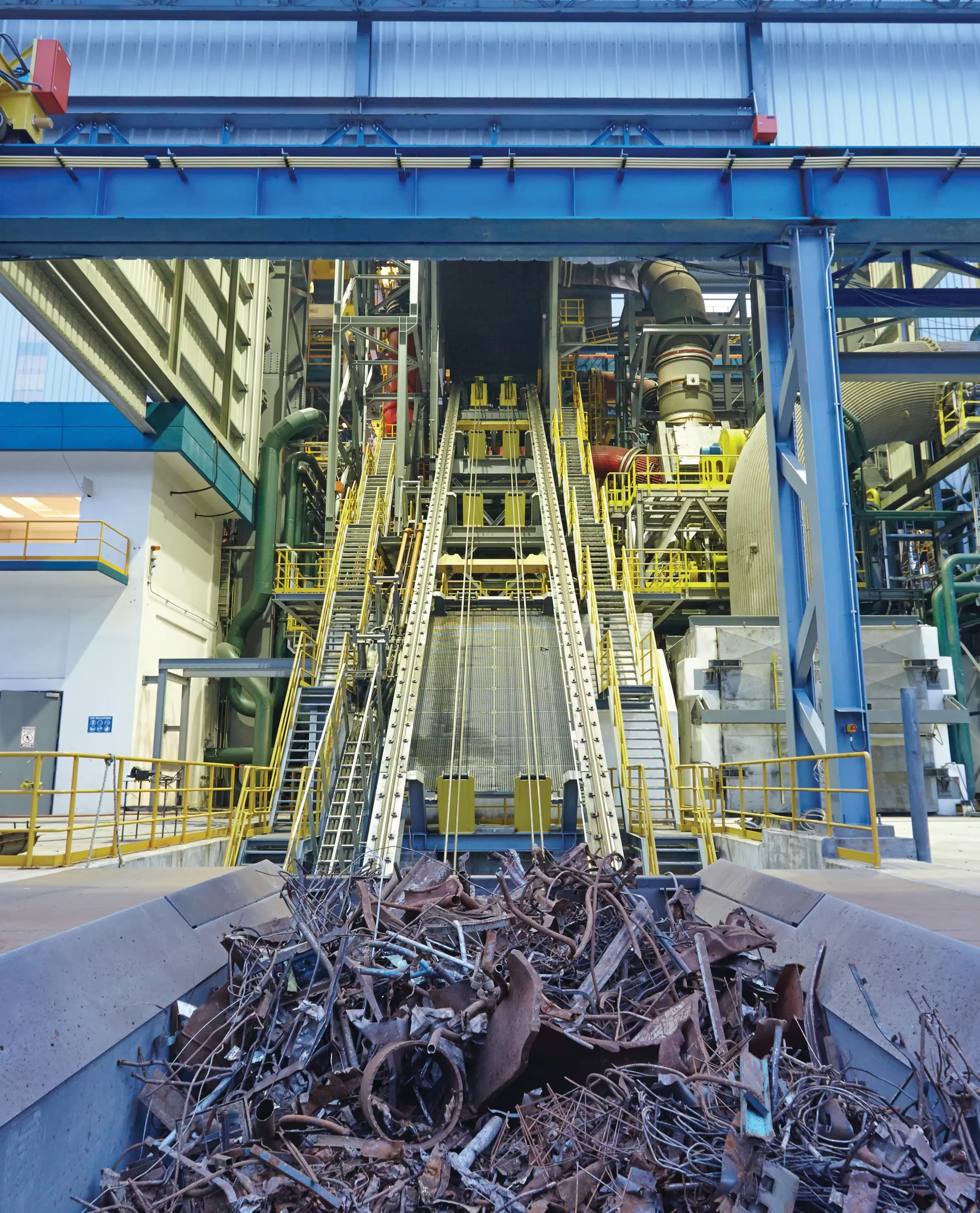
For a commercial or industrial buying enquiry, the most useful first information is material category, grade if known, condition, approximate volume, origin, timing, and whether the material is a one-time or recurring business flow. Loading, logistics, containers, equipment, and transaction terms are confirmed for the specific request.
Production offcuts, recurring material flows and prepared-metal supply questions.
Structural steel, wire, aluminium, copper and recoverable project material.
Site access, timing, quantity and material-handling requirements.
Vehicle-related steel, equipment, renovation and maintenance material.
Clear-outs, project loads and local material questions to review.
Vehicles, appliances and special items
Restricted or special-handling materials
Materials that may be restricted or require special handling include hazardous waste, radioactive or explosive materials, pressurised cylinders, leaking or contaminated items, unidentified chemicals, liquids, certain batteries and materials containing hazardous substances. The exact DBS Recycling restriction policy is to be confirmed.
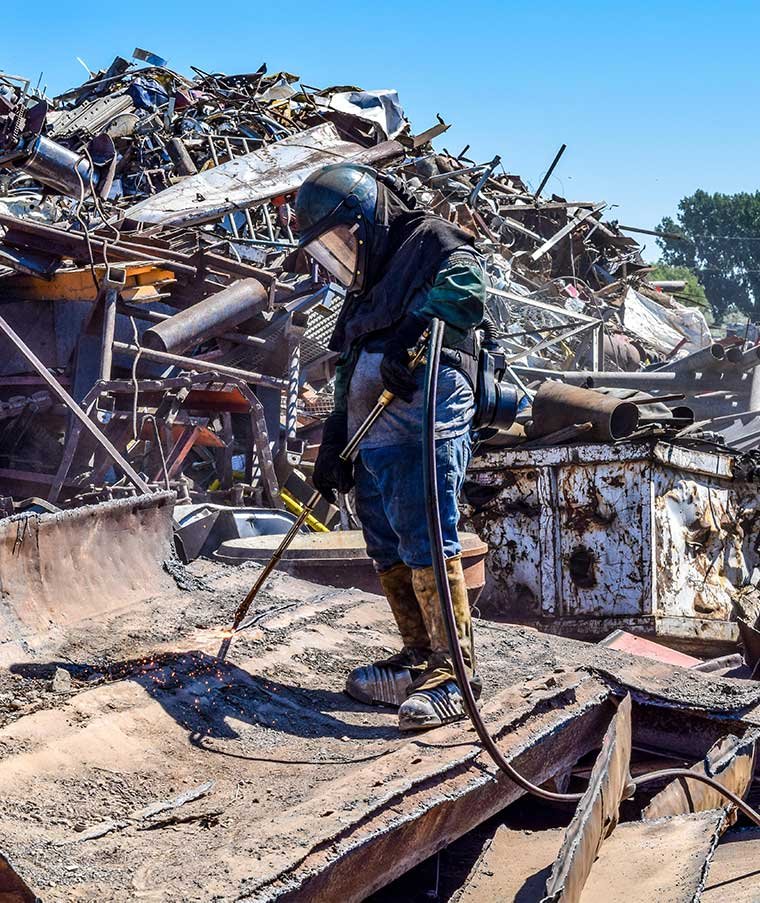
Do not burn wire, cut tanks or cylinders, open sealed electrical equipment, or dismantle hazardous components. Follow applicable local safety and handling requirements.
Preparing your scrap
Keep different metals separate where safe, take clear photos, and share the location, access, approximate quantity, and timing. Do not burn wire, cut tanks or cylinders, open sealed equipment, or dismantle hazardous components.
Keep different metals apart when safe so the material can be described more clearly.
Only remove obvious attachments when it is safe and practical to do so.
Avoid mixing clean and contaminated loads and keep material dry where possible.
Show the full load, close-ups, labels, access conditions and unusual attachments.
Do not burn wire, coatings or insulation, and do not cut tanks, cylinders or sealed containers.
Include location, access, approximate quantity, timing and any required documents.
How the selling process works
Preliminary conversations are not fixed quotations. Final acceptance, pricing, scheduling and handling terms are confirmed only after the relevant details and inspection requirements are understood.
Start with the category, source, condition and whether it is mixed.
Add approximate weight or quantity, location, access and preferred timing.
The team can discuss whether buying, delivery, export logistics, or another next step may be available.
Any availability, minimum volume, delivery area and transaction conditions are confirmed directly.
Final acceptance and any valuation depend on inspection, weight, grade, condition and policy.
Payment or transaction details are confirmed according to the company’s current process.
Tell us about your scrap metal
Send the details you know, add photos if useful, and tell us where the material is located. We will review the possible buying or logistics route.
Hamilton and surrounding enquiries
DBS Recycling is presented for Hamilton, Ontario. Delivery, export logistics and acceptance may vary by origin, destination, material type, volume and transaction timing. The exact delivery area and logistics terms are to be confirmed directly.
Frequently asked questions
Visit the FAQ page for common questions about accepted materials, preparation, quantities, photographs, restricted items, and the enquiry process.
DBS Recycling can review ferrous and non-ferrous scrap-metal enquiries, including common categories such as steel, copper, aluminium, brass, stainless steel and wire or cable. Exact acceptance must be confirmed for the specific material, condition, quantity and location.
Ferrous materials contain iron and may include steel, structural components, machinery or demolition scrap. Share photographs and approximate quantities so the team can confirm whether the material is suitable for the current route.
Copper enquiries can be submitted for review. Keep copper separate where practical, do not burn insulation or coatings, and send photographs when the material is mixed, attached or difficult to identify.
Aluminium enquiries can be reviewed, including sheet, extrusions, frames, wheels or mixed pieces. Alloy, coating, attached hardware, contamination and quantity can affect the next step.
Brass, bronze, stainless steel and other alloy enquiries may require photographs or inspection. Do not assume that colour alone identifies an alloy; contact the team with the material details first.
Mixed loads may be reviewed, but separating materials where safe and practical can make the discussion clearer. Acceptance, pricing and handling remain subject to the company’s current policies and inspection requirements.
Wire, cable, motors and electrical materials can be discussed, but hazardous or sealed electrical items require special care. Never burn wire, open sealed equipment or handle damaged batteries without professional guidance.
These items require confirmation before delivery, shipment or export. Ask about preparation, documentation and handling before transporting vehicles, appliances, batteries, tanks, cylinders or equipment containing fluids.
Bulk-buying availability, minimum volume, logistics and transaction terms are to be confirmed. Include the origin, destination, material type, grade, approximate volume and preferred timing in your enquiry.
The minimum bulk quantity is to be confirmed. Share the approximate volume or weight and whether the material is loose, bundled, loaded or difficult to access.
Any preliminary discussion is subject to material type, grade, weight, condition, contamination, inspection, quantity and current market conditions. This page does not publish fixed prices.
Send a clear description, photographs, approximate quantity and location. The team can advise on the next practical conversation, but final identification and acceptance may require inspection.
Yes. Photographs of the full load, close-ups, labels, attachments and access conditions can help the team understand the enquiry before discussing delivery or export logistics.
Hazardous waste, radioactive or explosive materials, pressurised cylinders, leaking or contaminated items, unidentified chemicals, liquids and certain batteries may require special handling. The exact restricted-material policy must be confirmed before transport.
Use the Start a Bulk Enquiry page, the Contact Us page, or call +1 213 533 2810 or email dbsrecycling@gmail.com. Include material details, quantity, location, access information, timing and photographs where useful.
Ready to discuss your material?
Send the information you know, add photographs where useful and tell us whether you are offering bulk scrap, asking about delivery, export logistics or a commercial trading requirement.
Bulk scrap-metal buying, trading and commercial supply with a clear Hamilton starting point.