Commercial suppliers
Bulk ferrous or non-ferrous material questions with grade, volume, origin and destination details.
Hamilton, Ontario · Bulk scrap-metal buying, trading and export enquiries
Bulk scrap-metal trading · Hamilton, Ontario
DBS Recycling buys and trades selected bulk scrap metal from commercial and industrial suppliers. Share the material type, grade, volume, origin, destination and preferred timing so the team can review the possible next step.
Material acceptance, delivery, export logistics, pricing and transaction availability are reviewed and confirmed for each commercial enquiry.
A practical way to trade bulk scrap
Bulk scrap-metal trading starts with the material, grade, volume, origin, destination and timing. DBS Recycling reviews enquiries from commercial suppliers, contractors, manufacturers, brokers and industrial customers where the transaction is suitable and confirmed.
Contact the team before arranging logistics. Mixed, oversized, sharp, unstable, leaking, pressurised, sealed, hazardous or unidentified material may need special guidance or may not be accepted.
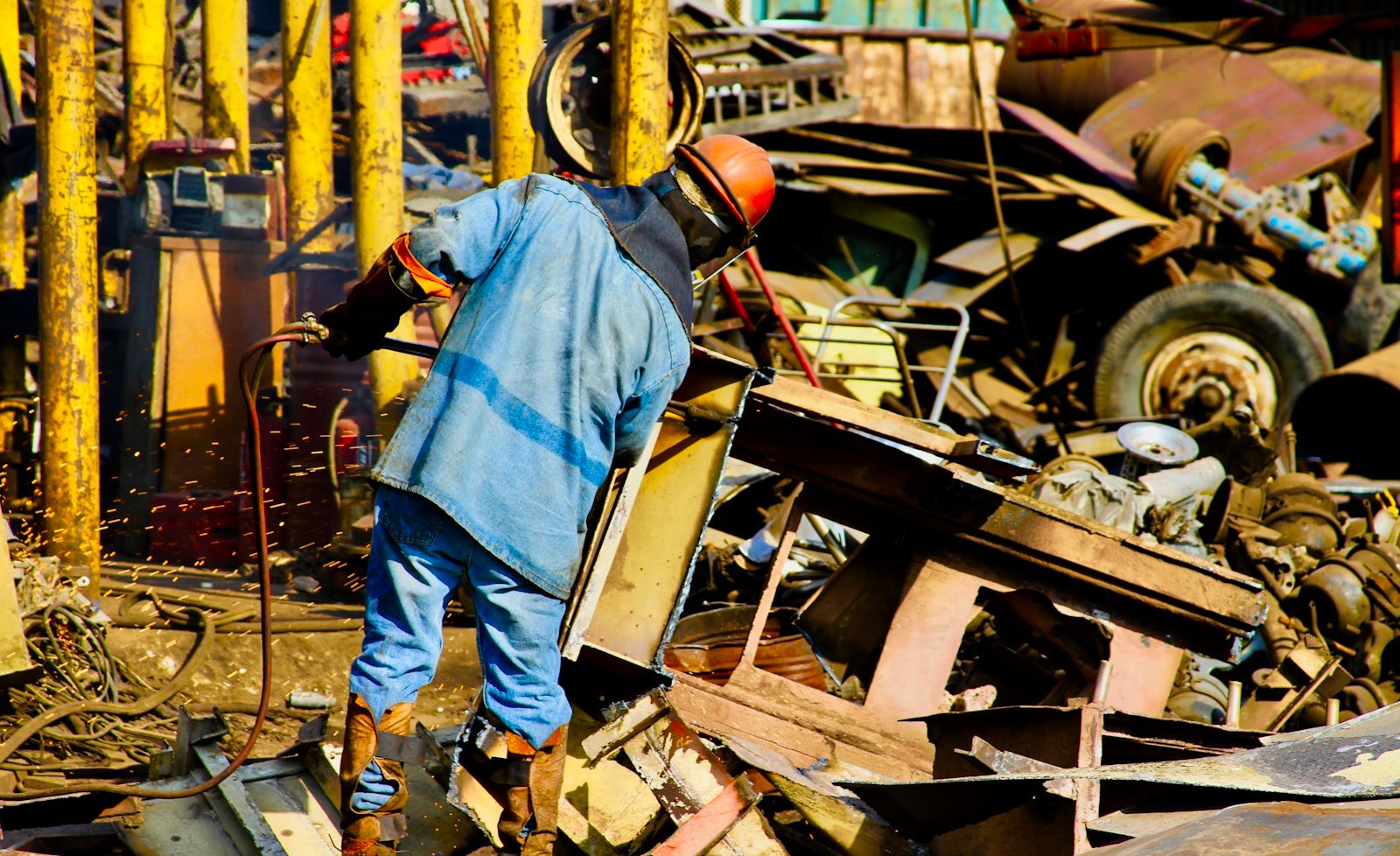
Who can discuss bulk supply
The groups below are commercial enquiry pathways rather than a blanket acceptance promise. DBS Recycling should confirm which suppliers, materials, volumes and transaction routes it currently supports.
Bulk ferrous or non-ferrous material questions with grade, volume, origin and destination details.
Construction, renovation or demolition offcuts with site contact, loading conditions and timing.
Production scrap, material flows or facility supply requirements subject to review.
Material availability, destination and transaction questions requiring direct confirmation.
Site-specific bulk-trading enquiries involving volume, safety and logistics.
Project material where origin, loading and delivery conditions are understood.
Bulk materials we commonly review
These categories are possible trading enquiries, not a confirmed acceptance list. DBS Recycling may review selected materials subject to grade, volume, origin, destination, inspection and current company policy.
Steel, cast iron, structural pieces, rebar or machinery material may be reviewed.
Keep loads accessible and identify mixed or attached material.Wire, pipe, fittings, sheet, cable or copper-bearing material may be discussed.
Do not burn insulation; describe attachments and contamination.Sheet, profiles, extrusions, wheels, cast pieces or offcuts may be reviewed.
Share alloy, coating, paint, hardware and quantity details.Fittings, valves, components, sheet, tube or equipment may be discussed.
Do not assume composition or grade from appearance.Insulated or uninsulated wire and cable enquiries require safe-handling review.
Do not burn, cut or modify wire without appropriate guidance.Special items may contain fluids, batteries, refrigerants or other restricted components.
Contact DBS Recycling before moving or dismantling them.How a bulk transaction works
Submitting a request does not automatically create a transaction, guarantee a delivery date, set a price or confirm material acceptance.
Call, email or submit the quote route to start a bulk-trading enquiry.
Describe the type, source, condition, attachments, contamination, approximate weight or volume.
Clear photos can help explain the material and access, but do not replace inspection or confirmation.
Provide origin, destination, city and province, site contact, loading conditions, obstructions and restrictions.
Minimum quantity, equipment, timing, pricing, fees and service terms require direct confirmation.
Inspection, weighing, acceptance, payment and documentation follow the confirmed company process.
Bulk-trading enquiry checklist
Full name, company where applicable, phone and email.
Address, city, province, site contact and preferred date.
Type, source, condition, separated or mixed status and unusual items.
Estimated weight or volume, number of items or containers, clear photographs.
Loading area, vehicle access, obstructions, stairs, gates, traffic or site restrictions.
Oversized, sharp, unstable, leaking, pressurised, sealed, hazardous or unidentified material.
One-time or recurring bulk supply, logistics interest and preferred contact method.
Commercial and industrial bulk supply
Commercial, manufacturing, warehouse, construction, demolition and industrial supply enquiries may need a more detailed review of grade, volume, origin, destination, access, equipment, safety and logistics.
Production offcuts, separated scrap, mixed loads or facility clear-outs may be reviewed.
Discuss placement, loading, access restrictions, traffic, site contact and loading and delivery conditions.
One-time or recurring requirements, delivery windows and lead time require confirmation.
Ask about bins, containers, roll-off units, sizes, placement rules and logistics terms.
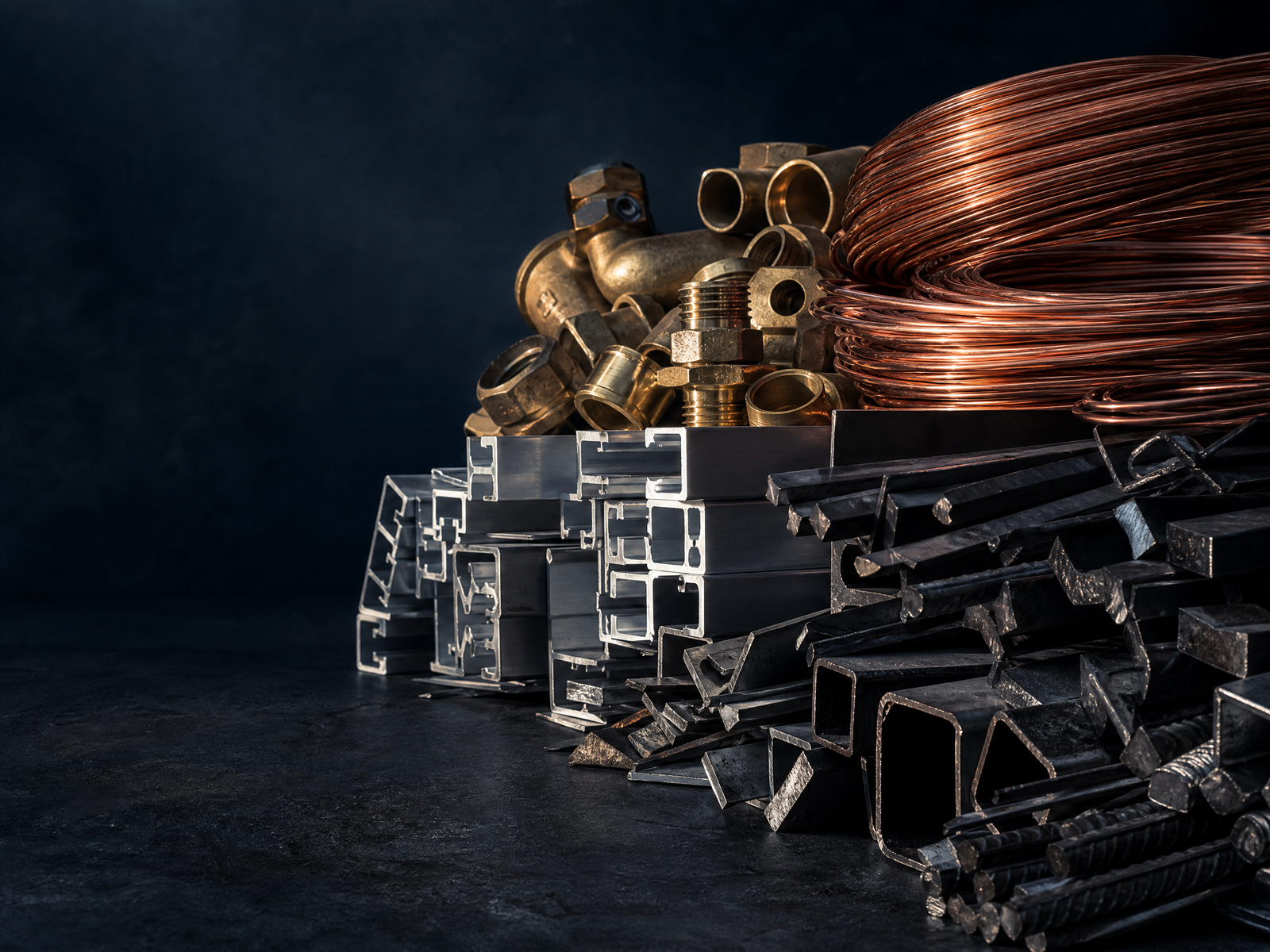
Construction and demolition
Construction and demolition teams can discuss recoverable metal and possible bulk supply or delivery arrangements. Availability depends on material, quantity, location, site access, safety requirements, equipment and project scope.
Structural steel, rebar, copper, aluminium, electrical scrap, plumbing materials and offcuts may be discussed.
Share access, material placement, site contact, loading equipment, traffic and safety requirements.
Do not assume every demolition material, site or equipment type can be accepted.
Hazardous, pressurised, liquid-containing, contaminated or unknown items need prior guidance.
Containers and bins
Loading, transport or export logistics are subject to confirmation, including types, sizes, capacity, placement, delivery or shipment schedule, rental conditions, weight limits and prohibited materials.
Preparation guide
Keep different metals separated when safe and practical so the load can be described more clearly.
Make the loading area safe and accessible; tell the team about obstructions or difficult access.
Mention oversized, heavy, sharp, unstable, attached, liquid-containing or unidentified material.
Never burn insulation, coatings or wire to prepare a load.
Do not cut, open or modify tanks, cylinders or sealed containers.
Keep batteries, liquids, chemicals and unknown materials separate and ask before moving them.
Follow all applicable safety requirements and contact the DBS Recycling team if you are unsure how to prepare a material.
Trading details depend on the material and logistics
Every bulk-trading enquiry is different. The possible transaction may depend on material type, grade, estimated weight or volume, cleanliness, contamination, value, loading origin, destination, road and site access, loading requirements, vehicle or container availability, shipping timing, safety requirements and current company policy.
Safety and restricted materials
Some materials may require special handling or may not be accepted. Contact the team before discussing the transaction if the load contains liquids, chemicals, batteries, fuel or oil-containing equipment, cylinders, tanks, refrigerants, unknown substances, contaminated material, electronic waste or other potentially regulated items.
Environmental responsibility
Bulk trading can help move suitable recoverable metal into appropriate recycling channels. Suppliers can support clearer handling by separating metals where practical and telling the team about contamination, restricted items or unusual conditions.
Hamilton and confirmed trading or delivery areas
DBS Recycling is based in Hamilton, Ontario. Trading areas, delivery destinations, regional logistics and any out-of-area policy require confirmation for the specific material, volume, origin, destination and transaction.
Frequently asked questions
These answers use careful confirmation language because accepted materials, trading areas, pricing, logistics, export documentation and transaction terms require client approval.
DBS Recycling can review bulk scrap-metal buying and trading enquiries from commercial and industrial suppliers. Material acceptance, grade, volume, pricing, delivery and export logistics must be confirmed directly.
DBS Recycling is based in Hamilton, Ontario. Confirmed trading areas and delivery destinations must be confirmed directly; availability may vary by material, volume, distance, access, logistics and transaction schedule.
Selected ferrous and non-ferrous bulk material enquiries may be reviewed. Grade, condition, volume, restrictions and transaction suitability require confirmation before the trade is agreed.
No. Household and small residential loads are outside DBS Recycling’s bulk-trading focus. Commercial and industrial suppliers should share material, grade, volume, origin and destination details.
Commercial and industrial suppliers may discuss bulk material supply with the material type, grade, volume, origin, destination, loading conditions and preferred timing.
Selected structural steel, rebar, copper, aluminium, plumbing or offcut material may be discussed as a bulk-trading enquiry, subject to grade, volume, origin, destination and safety review.
Minimum volumes and load sizes are not published. Include estimated weight, volume, number of items or containers so the team can advise on the possible next step.
Container, bin or roll-off options are subject to confirmation, including type, size, placement, delivery or shipment schedule, restrictions and terms.
Separate materials where safe and practical, keep access clear, identify unusual or oversized items, and share photographs. Do not burn wire or insulation or cut open tanks, cylinders or sealed containers.
Yes, photographs can help explain the material, condition and loading details. They do not replace inspection, final acceptance, pricing or confirmed transaction terms.
Share your name, company, phone, email, material, grade, approximate weight or volume, photographs, supply origin, destination, loading conditions, preferred timing and whether the enquiry is one-time or recurring.
A response time and transaction lead time have not been confirmed. Timing depends on the material, grade, volume, origin, destination, logistics, availability and current policy.
No fixed price or pricing guarantee is published. Value may depend on material type, grade, weight, cleanliness, condition, contamination, inspection and current market conditions.
Liquids, chemicals, batteries, fuel or oil-containing equipment, cylinders, tanks, refrigerants, contaminated or unknown substances and other regulated materials may require special handling or may not be accepted. Ask before moving them.
Recurring bulk supply may be discussed for suitable requirements, but frequency, volumes, logistics, equipment and terms require confirmation.
The material and transaction details may be reviewed according to the confirmed company process. Acceptance, pricing, payment, documentation, delivery and export terms are not guaranteed by submitting an enquiry.
Ready to discuss a bulk scrap-metal trade?
Send the details you know, including material, quantity, loading origin, access information, preferred timing and photographs where useful. Acceptance, pricing, delivery, export logistics and transaction terms remain subject to confirmation.
Bulk scrap-metal buying, trading and commercial supply with a clear Hamilton starting point.